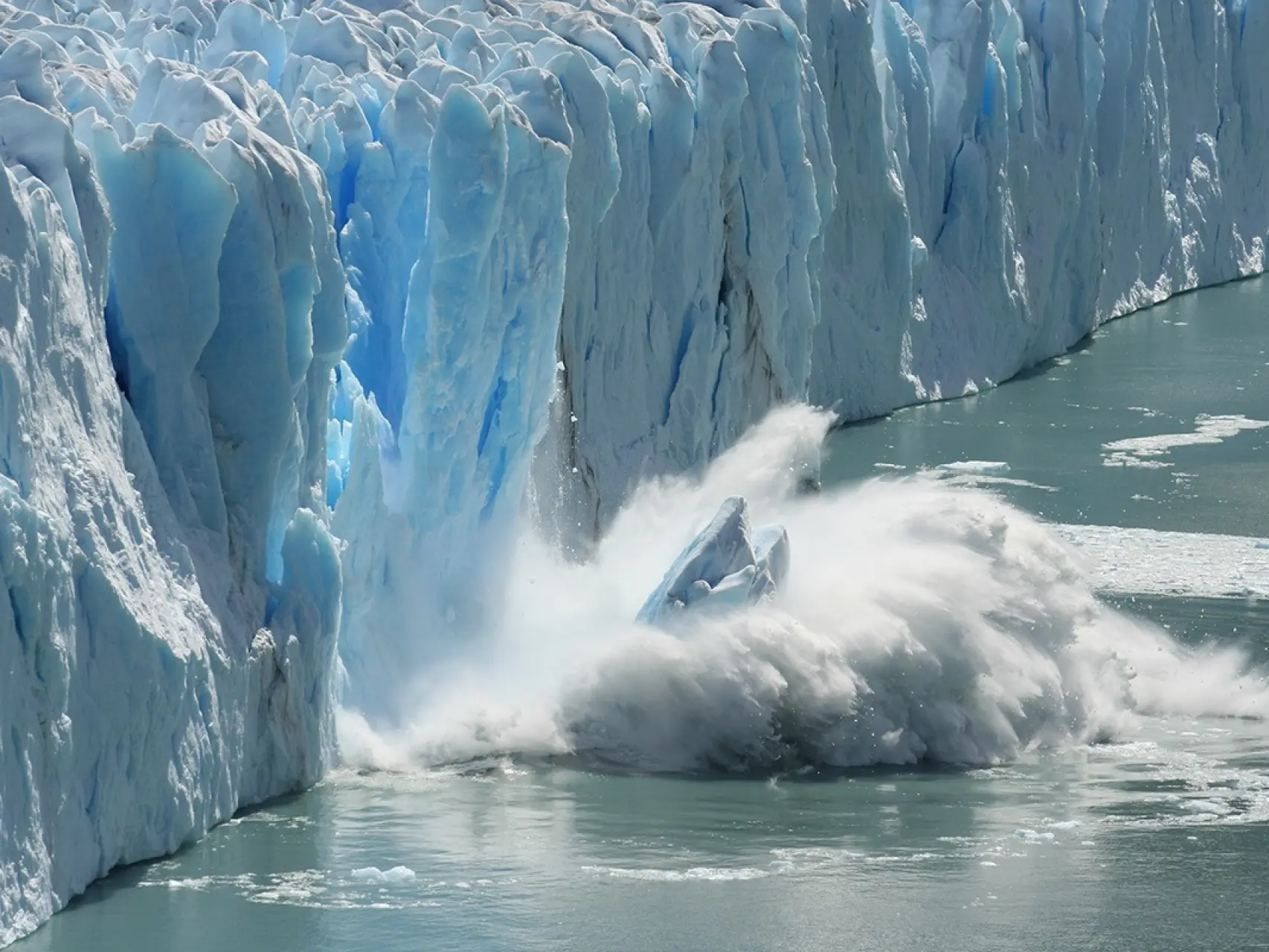
The accelerated melting of glaciers, increased precipitation, and extreme weather events are altering the chemical composition of water along Antarctic coasts, with potentially lethal consequences for marine invertebrates that have inhabited the region for millions of years. According to a study published in the journal Marine Environmental Research by scientists from the British Antarctic Survey and the University of Plymouth, the reduction of salt levels in the Southern Ocean—a phenomenon known as freshening—represents a significant threat to species adapted to specific saline conditions.
The research focused on the giant amphipod Paraceradocus miersi, an abundant species in Antarctic waters related to the beach fleas of temperate zones. Experiments conducted with specimens collected in Ryder Bay, on the Antarctic Peninsula, demonstrated that even minimal water dilution causes these organisms to lose body salts, accumulate water, and suffer severe damage to their gills.
Impact of an extreme event
Professor John Spicer, a marine zoologist at the University of Plymouth and lead author of the study, directly witnessed the consequences of freshening during his work at the Rothera research station in 2017. “There was an extreme freshening event. We found that even if the water is fractionally diluted, the amphipods lose their salts, gain water, and their gills are damaged,” explained Spicer, who has spent nearly four decades researching the effects of climate change on marine organisms.
While the amphipods were able to regulate some key chemicals such as calcium, their overall ability to maintain the ionic balance they require was severely compromised. The researchers estimate that this phenomenon may have caused significant mortalities among individuals inhabiting shallow waters during the 2017 event and other similar ones recorded before and after.
Global consequences
Dr. Simon Morley, an ecophysiologist at the British Antarctic Survey and co-author of the work, noted that “as climate change continues, environments will change beyond the conditions that animals can tolerate. In the seas around Antarctica, the biggest signal of climate change is the melting of ice, which adds large amounts of freshwater to the oceans.”
For Spicer, the implications transcend the polar region: “Damaging Antarctica damages us all. If there is freshening, it won’t have to be very strong before the health of many invertebrate species is severely impacted.” Amphipods and other Antarctic invertebrates are fundamental links in the food webs that support everything from whales to seabird colonies, and their disappearance could profoundly alter the functioning of the global ocean.
Sources: British Antarctic Survey · University of Plymouth · EurekAlert! · Phys.org – Earth Sciences