In a sweeping move to fortify its scientific and operational presence in the deep south, South Africa’s National Antarctic Programme (SANAP) has announced two major initiatives: a massive triennial research funding call and a critical recruitment drive for an overwintering medical professional.
According to SANAP, the newly launched 2027-2029 funding call—facilitated through the National Research Foundation (NRF) Grant applications platform—represents a vital window for scientists seeking to operate in one of Earth’s most extreme and scientifically valuable environments. The comprehensive grant encompasses a broad spectrum of disciplines, ranging from climate science and glaciology to marine biology and atmospheric studies. This substantial investment reinforces South Africa’s position as a key global contributor to understanding polar dynamics during a critical era of climate change.
While funding future scientific endeavors, SANAP is simultaneously addressing the immediate, high-stakes logistical needs of its remote stations. The agency is actively recruiting a Medical Orderly to join the upcoming overwintering team on Gough Island.
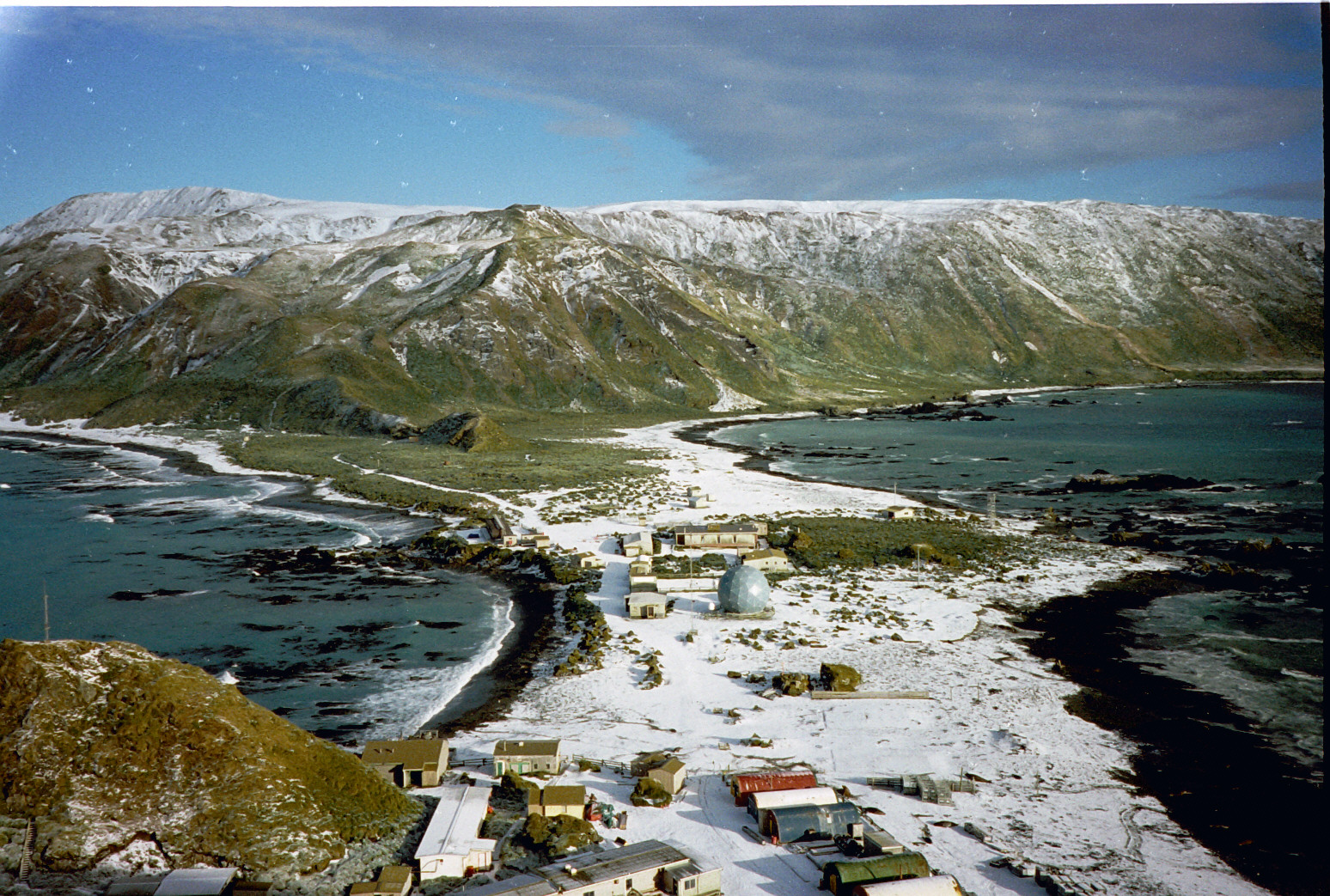
Located in the volatile South Atlantic Ocean and designated as a UNESCO World Heritage Site, Gough Island hosts a small, year-round research team that must endure total isolation during the brutal winter months. Because severe weather conditions frequently make emergency medical evacuations completely impossible, the Medical Orderly is the backbone of the team’s safety. The role demands not only top-tier clinical skills but also the intense psychological resilience required to thrive in complete detachment from the outside world.
Ultimately, these parallel announcements underscore the multifaceted reality of modern polar operations. By securing cutting-edge climate research and the robust human logistical support required to maintain a year-round presence in these unforgiving environments, South Africa continues to provide invaluable data to international scientific collaborations.
Source: Sudáfrica – SANAP (South African National Antarctic Programme)