Antarctica continues to serve as both a natural laboratory and celestial observatory, with recent developments highlighting the continent’s unique position for scientific observation and research coordination.
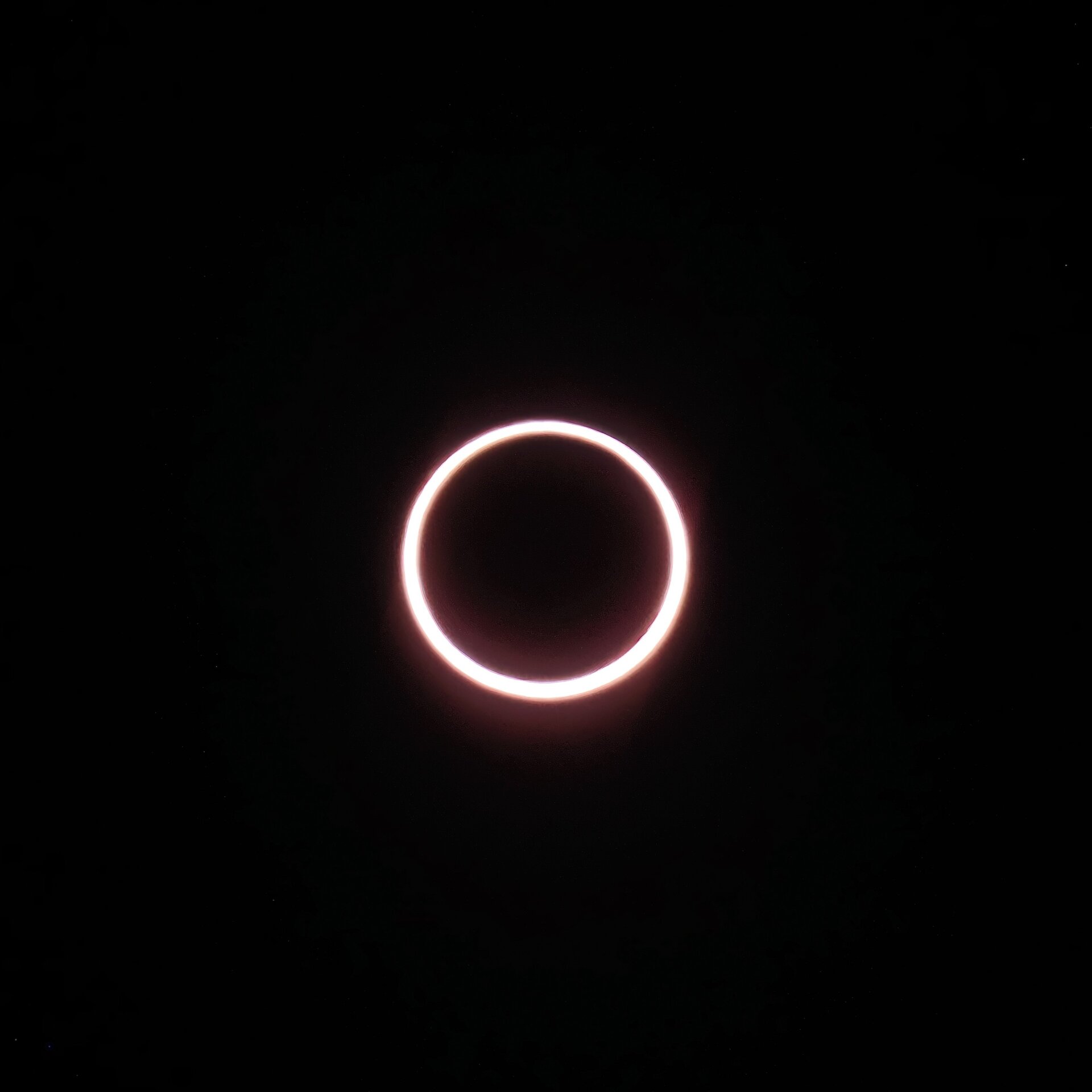
According to the European Space Agency, an annular solar eclipse passed over Antarctica, providing researchers and astronomers with exceptional observational opportunities. The phenomenon, which occurs when the Moon passes between the Earth and Sun but appears smaller than the solar disk, created a distinctive “ring of fire” effect visible from the southernmost continent. Antarctica’s remote location and minimal light pollution make it an ideal vantage point for such astronomical events.