In a major step forward for polar wildlife conservation, the Chilean Antarctic Institute (INACH) has successfully adapted artificial intelligence to track the complex life cycle of chinstrap penguins (Pygoscelis antarcticus). Led by marine biologist Magdalena Márquez Díaz, the project uses an advanced neural network to transform population monitoring across the Antarctic Peninsula.
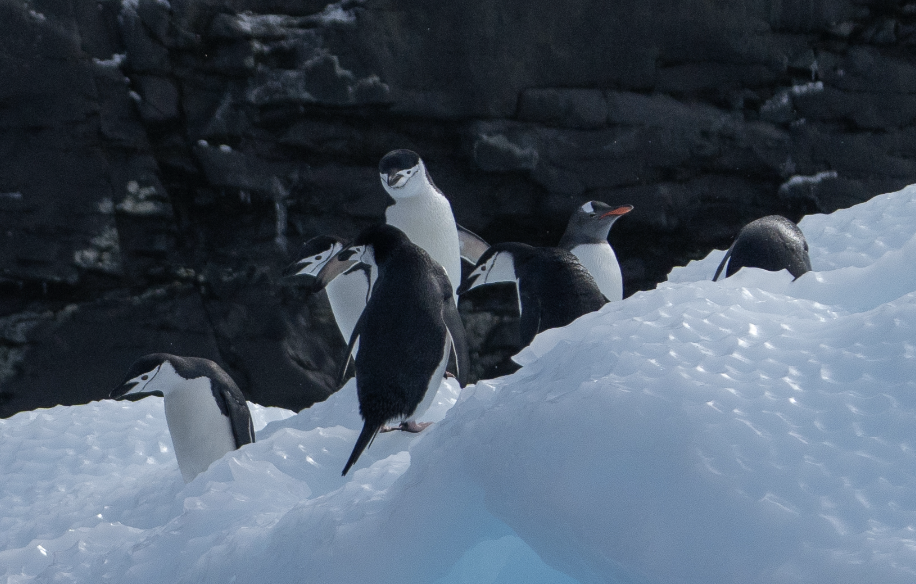
Easily recognisable by the distinctive black line running beneath their heads, chinstrap penguins are a key indicator species facing mounting pressures from climate change. Historically, comprehensive population studies relied on labour-intensive manual monitoring. To overcome this, INACH’s Marine Protected Areas programme is now employing an AI model based on the YOLO (You Only Look Once) neural network. According to Márquez, the system was originally designed for security purposes but has been adapted to automate ecological monitoring.
The field operation relies on a network of eight specialised camera traps deployed since 2022. Three are located on Kopaitic Island, near the O’Higgins Base on the Antarctic Peninsula, while five operate at Harmony Point on Nelson Island in the South Shetlands. Each camera automatically captures approximately 1,300 images annually throughout the breeding season.
Previously, analysing this volume of data required weeks of manual work. Today, the YOLO algorithm can process a full year’s worth of photographs in just a couple of hours, distinguishing between adult penguins and chicks to determine critical arrival and departure cycles.
However, training the system for the extreme environment has presented unique hurdles. Márquez explained that detecting chicks remains a technical challenge, as they are frequently shielded by adults. Furthermore, their greyish down heavily camouflages them against the rocky terrain, occasionally causing the AI to mistake them for the landscape. With the assistance of technical intern María Cartagena, the team is continuously refining the algorithm’s accuracy using machine learning.
Researchers anticipate this continuous monitoring will unlock vital insights into how these populations are responding to environmental stressors, including shifting sea ice, changing food availability, and temperature fluctuations. Looking ahead, INACH plans to expand the AI’s capabilities to track egg hatching, chick survival rates, and interactions with predators like skuas and snowy sheathbills. Crucially, the technology could serve as an early warning system for mass mortality events triggered by severe polar storms or avian influenza.
The implementation of this technology cements Chile’s position at the forefront of Latin American polar science, a position supported by the nation’s extensive scientific programmes. Additionally, the AI rollout aligns with INACH’s ongoing procurement initiatives designed to modernise and enhance the infrastructure supporting Chilean Antarctic operations.
Ultimately, this breakthrough represents the future of Antarctic science—highlighting how technological innovation and international cooperation can work hand in hand to protect the continent’s unique biodiversity without the need for constant, disruptive human presence at the colonies.
Source: Chilean Antarctic Institute (INACH) – https://www.inach.cl/adaptan-aplicacion-de-inteligencia-artificial-para-monitoreo-del-ciclo-de-vida-del-pinguino-barbijo-en-antartica/