The 12th International Penguin Conference (IPC12) has brought together expert scientists, conservationists, students, and environmental policymakers from around the world with a clear mandate: to advance global research and execute direct conservation action. Running from August 31st to September 4th, 2026, in Phillip Island/Milawul, Australia, the summit aims to translate scientific knowledge into actionable public policies and real-world solutions for a rapidly changing marine ecosystem.
Throughout the event, specialists are tackling the most urgent challenges facing these seabirds through a highly interdisciplinary approach. According to the official program, the global debate is structured around several critical themes:
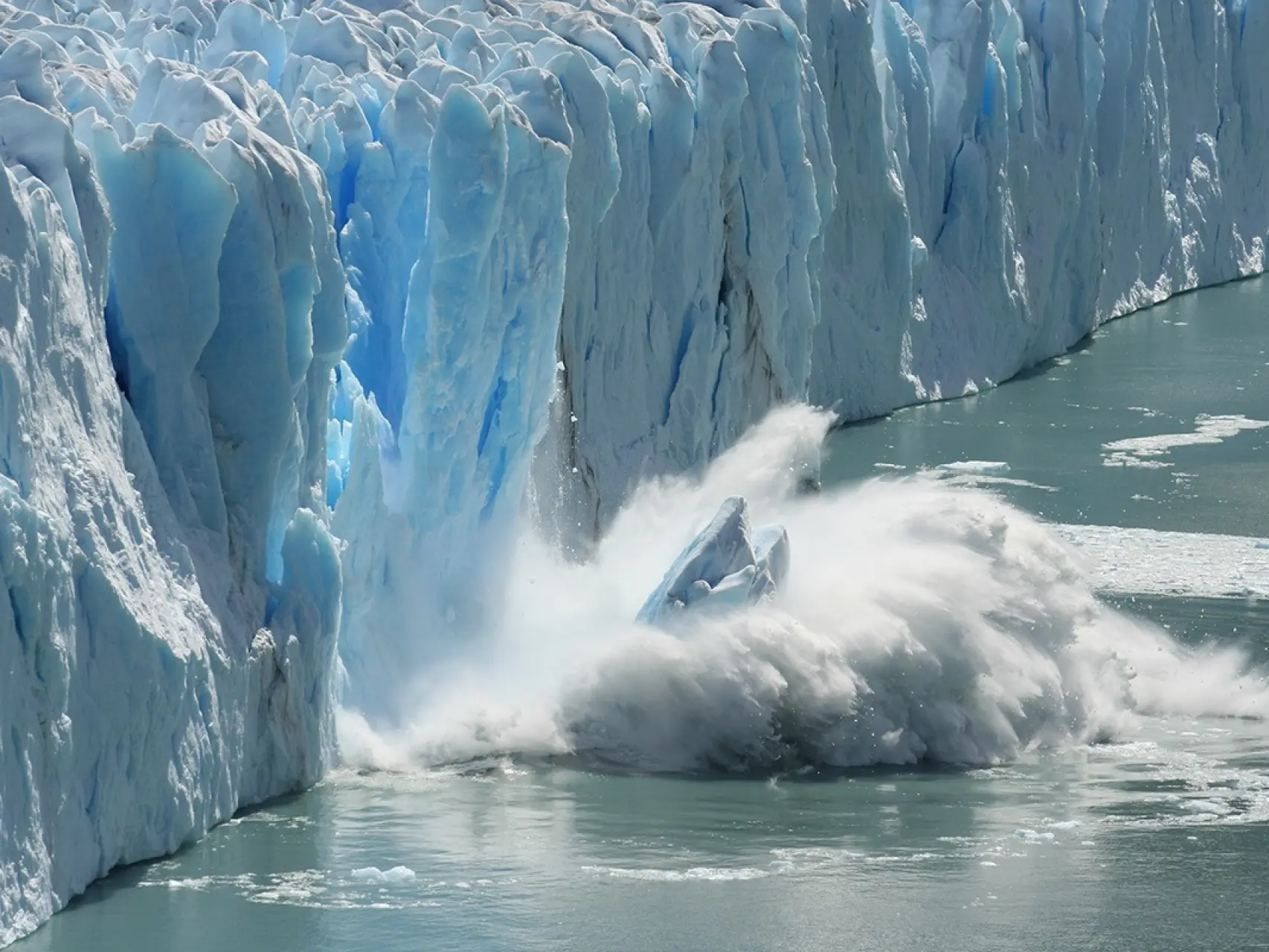
- Climate Change Impacts: Researchers are examining how warming oceans and altered food webs reshape marine habitats. Keynote presentations, such as Dr. Stephanie Jenouvrier’s session, explore the future of emperor penguins facing these severe climatic shifts.
- Innovative Technologies: The conference showcases crucial breakthroughs in marine research tools, integrating bio-logging, satellite tracking, and artificial intelligence. For instance, Dr. Brett Buzzanga presents prototypes of automated population counters utilizing thermal drone imagery and machine learning.
- Health and Marine Ecosystems: Sessions are strengthening the links between veterinary science and wild species by evaluating health metrics and emerging diseases. Dr. Julie McInnes directly addresses the pressing threat of highly pathogenic avian influenza (HPAI) in populations across Heard Island and the McDonald Islands.
- Advocacy and Conservation Policy: The event strategically explores how science must inform environmental governance to protect threatened species and improve state-level decision-making.
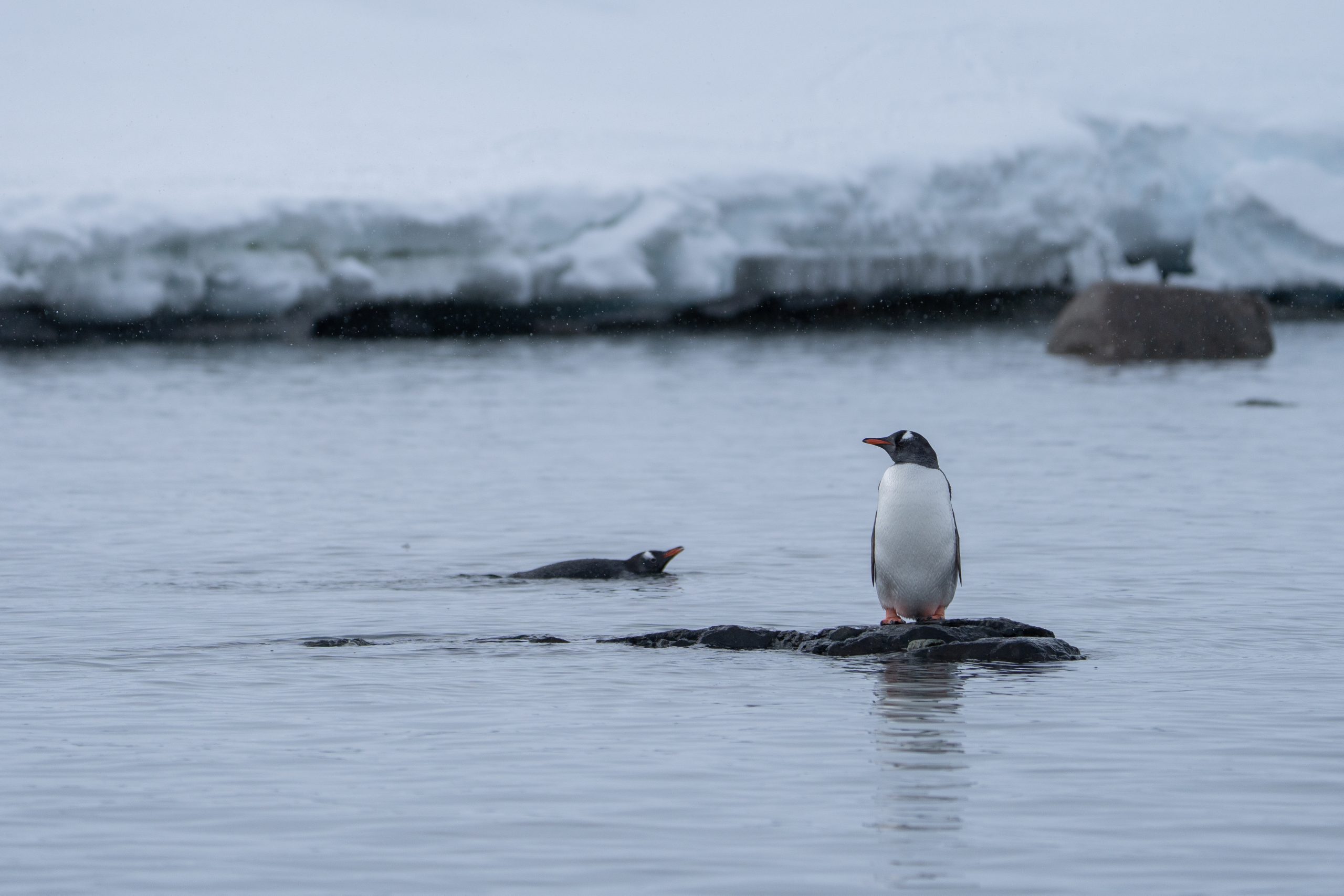
Beyond the rigorous schedule of scientific presentations and workshops, the event’s location offers an invaluable connection to the natural environment. Phillip Island is home to the world’s largest colony of little penguins. This allows delegates to witness the renowned “Penguin Parade,” a daily occurrence where the birds emerge from the ocean at sunset and cross the beach to their burrows. This on-the-ground experience tangibly underscores the urgency and vital importance of the conservation work being defined at the conference.