Antarctic research continues to yield significant climate insights even as concerns about safety at remote research stations have come to the forefront following a recent security incident.
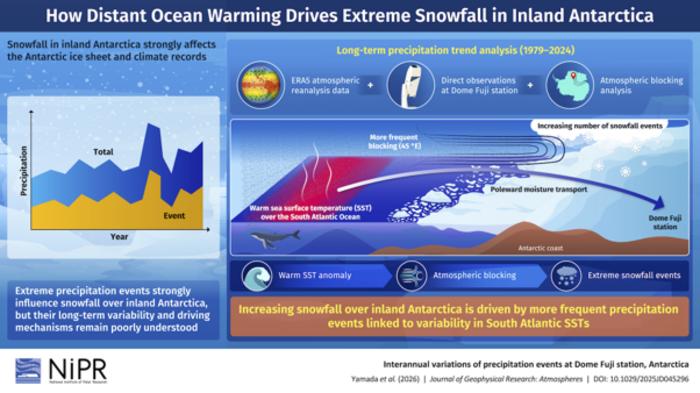
In a major scientific development, researchers have discovered that distant ocean temperatures significantly influence snowfall patterns in Antarctica. This breakthrough finding suggests that ocean conditions thousands of kilometers away from the continent play a crucial role in determining precipitation levels on the ice sheet. The research has important implications for understanding Antarctic climate dynamics and improving predictions of ice sheet behavior in response to global climate change.
The discovery highlights the interconnected nature of Earth’s climate system, demonstrating that changes in remote ocean regions can have cascading effects on the world’s southernmost continent. Scientists believe these findings could enhance climate models and help predict future changes to Antarctic ice mass balance more accurately.
However, the research community faced unsettling news when a researcher was evacuated from a remote Antarctic base after allegedly threatening colleagues with a weapon. The incident, which occurred at an isolated polar research station, has raised serious questions about psychological screening, support systems, and emergency protocols for personnel working in extreme Antarctic conditions.
The isolation, extreme weather, and months of darkness during Antarctic winter can create significant psychological stress for researchers stationed at remote bases. This incident underscores the importance of robust mental health support and safety measures for those conducting vital scientific work in one of Earth’s most challenging environments.
As reported by Programas polares Asia, both developments highlight the dual nature of Antarctic research: groundbreaking scientific achievements alongside the human challenges of working in the planet’s most isolated frontier.