The unprecedented pre-emptive withdrawal of 24 scientists and support staff from Macquarie Island highlights the growing threat of highly pathogenic avian influenza to Southern Ocean wildlife—and the psychological toll of witnessing mass mortality in one of the world’s most isolated environments.
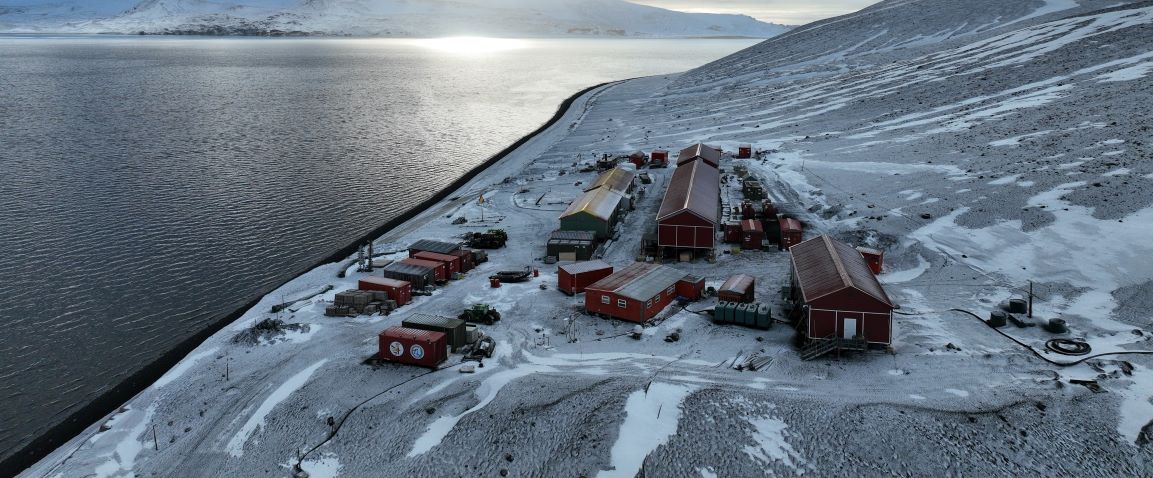
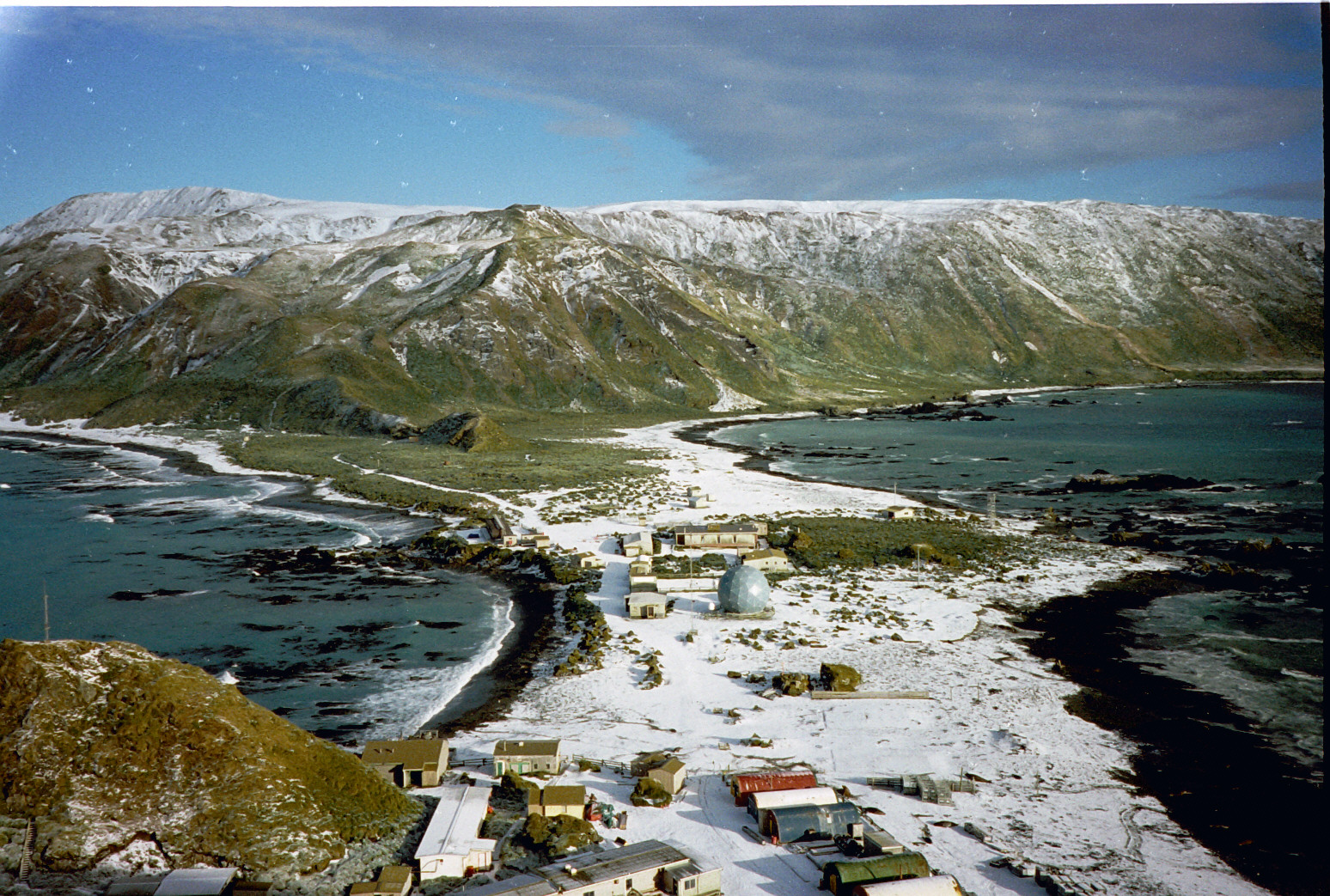
On 28 August 2026, Australia’s Department of Climate Change, Energy, the Environment and Water (DCCEEW) ordered the temporary evacuation of all 24 expeditioners from the Macquarie Island research station, situated roughly 1,500 kilometres southeast of Tasmania. The measure—characterised by officials as a “difficult decision”—is not a response to a confirmed outbreak. To date, the H5N1 strain of highly pathogenic avian influenza (HPAI) has never been detected on the island. Rather, it is a pre-emptive intervention driven by predictive epidemiological models and a growing awareness of the psychosocial hazards inherent in Antarctic fieldwork.
The immediate concern is the southern elephant seal (Mirounga leonina), whose breeding season runs from September to November. Data from neighbouring subantarctic outposts—notably Heard Island and the McDonald Islands—reveal that H5N1 can decimate seal pups with appalling efficiency, driving mortality rates above 90 percent in some colonies. “While the human health risk from H5 bird flu is considered low, we cannot ignore the psychosocial risks of living near a potentially large number of affected animals,” said Deputy Secretary Sean Sullivan. In an environment already defined by extreme isolation, darkness and logistical fragility, authorities concluded that the additional burden of witnessing large-scale wildlife die-offs was an unacceptable occupational hazard.
A virus on the move: from continental wildlife to marine mammals
The Macquarie Island decision is set against a wider, unsettling epizootiological backdrop. Across the Australian mainland, surveillance networks have now logged 354 confirmed or presumptive positive cases in wild animals, with South Australia accounting for 203 of those detections. While the virus has predominantly affected avian species, recent spillovers into mammals are raising red flags among virologists and wildlife epidemiologists.
The most striking case involves a common dolphin found dead at Goolwa, on the Fleurieu Peninsula, which tested positive for H5N1. This marine mammal infection—the first of its kind in the region—joins a growing list of mammalian casualties that includes a fox, a brown falcon and an Australian raven. “We know dolphins are highly vulnerable, which means they are at risk,” warned South Australia’s Chief Veterinary Officer, Skye Fruean. The expanding host range underscores the virus’s capacity to bridge taxonomic divides—a phenomenon that scientists are monitoring with particular urgency given the interconnectedness of marine food webs.
The evacuation logistics and a long-term commitment
The icebreaker RSV Nuyina is scheduled to arrive at Macquarie Island in late September or early October to recover personnel and essential equipment. Despite the withdrawal, the Australian government has reiterated its commitment to sustaining a long-term research presence on the island, which serves as a critical bellwether for Southern Ocean climate dynamics and ecosystem health. Officials are already evaluating remote-monitoring strategies and contingency plans for reoccupying the station in future seasons.
On the mainland, meanwhile, public-health authorities have launched a targeted vaccination campaign, administering approximately 1,500 doses to date in an effort to curb further spillover into domestic and wild populations.
The quiet resilience of Davis and Casey
In stark contrast to the tension surrounding Macquarie, life at Australia’s continental stations—Davis and Casey—continues with the unhurried, almost ritualistic rhythm of the austral winter. At Davis, mechanic James Beton has offered a wryly humorous “guide to aurora australis photography,” jokingly advising colleagues to abandon tripods and ignore framing in pursuit of genuinely “authentic” images. At Casey, the station’s winter chronicler reflects on the peculiarities of communal isolation: the enduring debate over milk-carton quotas, the obsessive stacking of teacups “with the precision of the Egyptian pyramids,” and the inexplicable cutlery that occasionally turns up in desserts. With fewer than a hundred days until the majority of the cohort returns to Australia, she concludes that it will be precisely these small eccentricities—and the people who create them—that she will miss the most.
Editor’s note on sourcing and translation
This report synthesises official updates from the Australian Antarctic Program (28 August 2026) and supplementary coverage from El Debate (29 August 2026), Xinhua and ABC News. Direct quotations from Sullivan and Fruean have been reconstructed from Spanish-language translations of their original English statements; where absolute verbatim accuracy is required, readers are strongly advised to consult the original English-language broadcast or press-release transcripts.