Australian authorities have launched emergency operations across their southern territories, carrying out a midwinter medical evacuation of a foreign scientist while simultaneously withdrawing personnel from a sub-Antarctic island to protect wildlife from a potential viral outbreak.
Wildlife protection measures
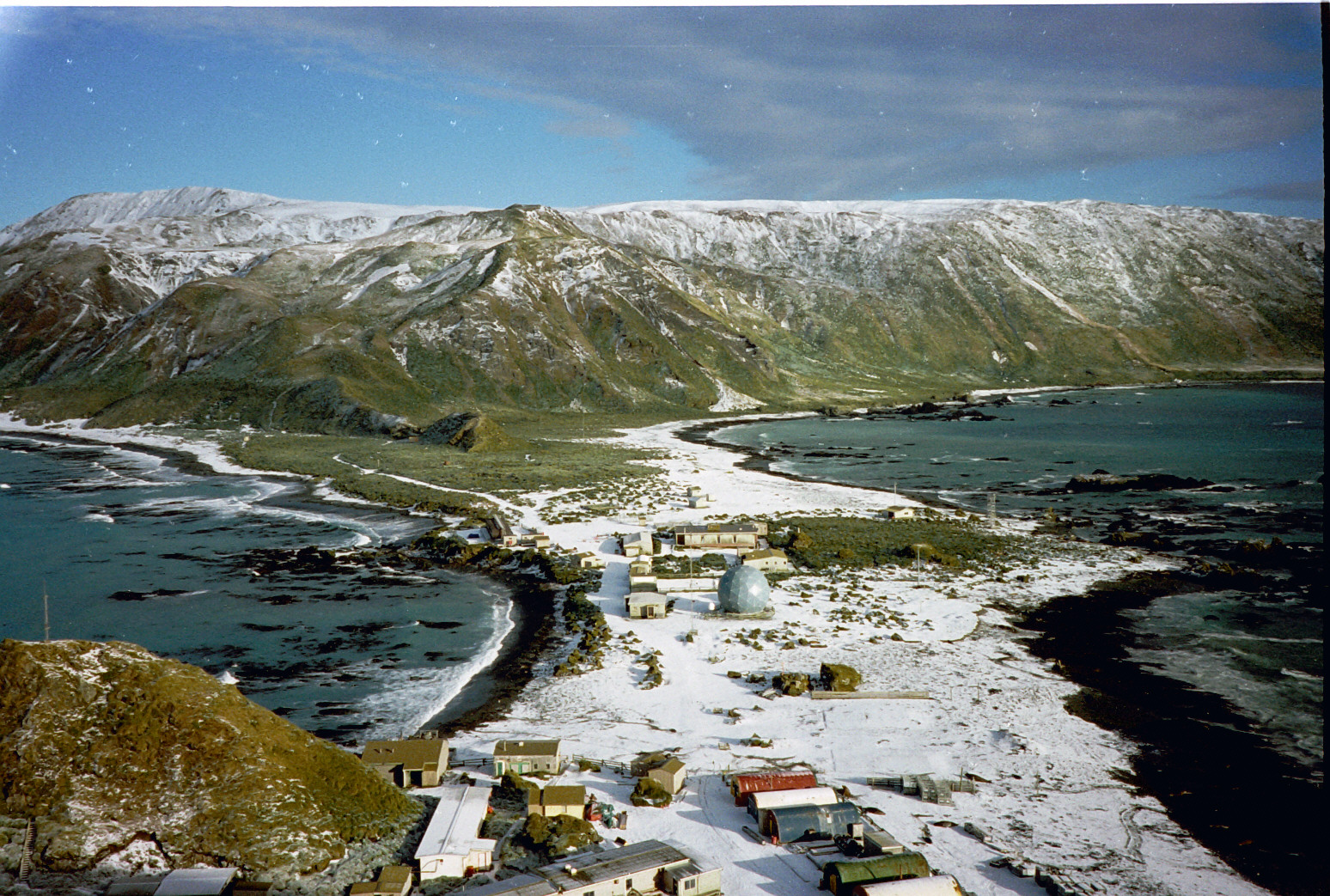
The Department of Climate Change, Energy, the Environment and Water has ordered the removal of Australian Antarctic Program expeditioners from a remote sub-Antarctic island as a precautionary measure. The aim is to reduce human presence that could inadvertently facilitate transmission of the highly pathogenic H5 bird flu.
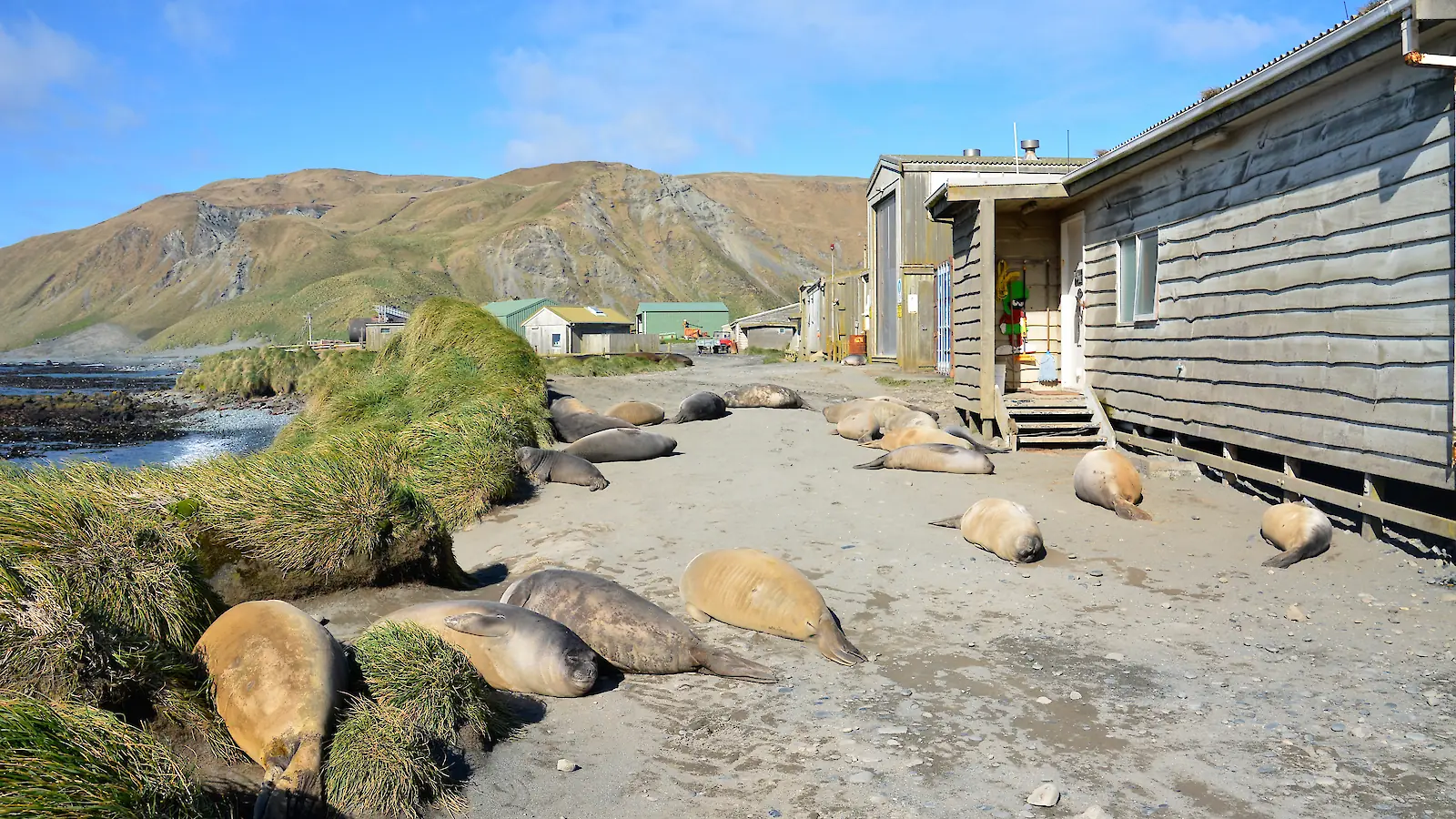
According to the Australian Antarctic Division, the move is a critical defence for the island’s ecosystem, which hosts dense colonies of penguins, albatrosses and seals. These populations have no natural immunity to the virus, and an outbreak could spread rapidly with devastating consequences for local wildlife.
Midwinter medical evacuation
In parallel, the Australian Antarctic Program demonstrated its logistical capability by successfully evacuating a US expeditioner from Antarctica. The operation was conducted in the depths of the Antarctic winter, when perpetual darkness and extreme cold make such rescues exceptionally rare and technically demanding.
The retrieval required close coordination between multiple agencies and international partners.
The twin emergencies highlight the importance of maintaining robust medical and emergency response capabilities in Earth’s most inhospitable environment, as well as the deep international cooperation that characterises polar operations.
Source: Australian Antarctic Division / Department of Climate Change, Energy, the Environment and Water