In a move to assert its influence and protect fragile Southern Ocean ecosystems, Argentina has launched a two-pronged strategy to significantly bolster its Antarctic operations through enhanced maritime surveillance and assertive diplomatic engagement. However, this ambitious international push presents a stark paradox, unfolding against a backdrop of severe national science budget cuts that threaten the country’s broader Antarctic research programs.
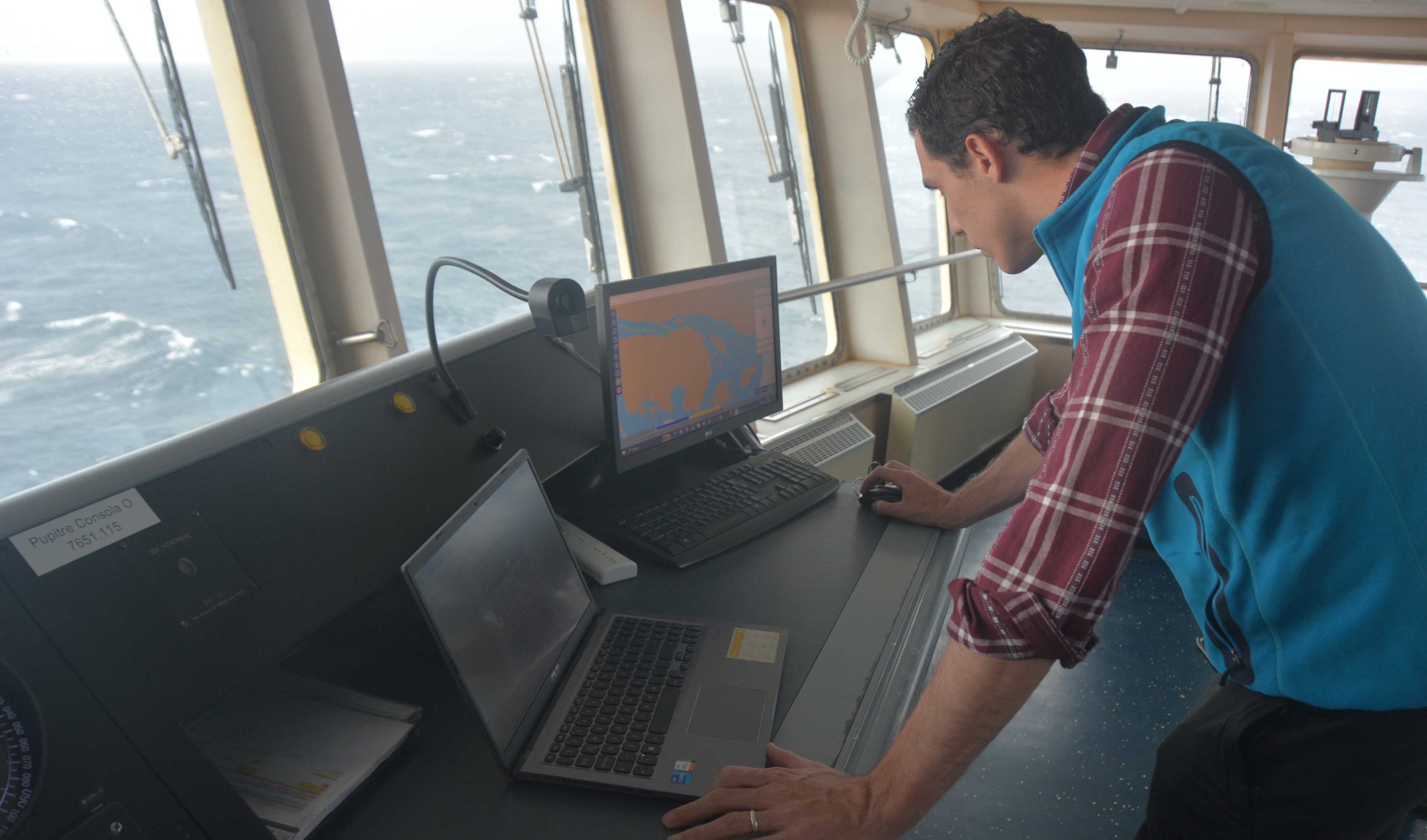
As recently reported by Gaceta Marinera, the South American nation is rapidly intensifying its fisheries control measures in Antarctic waters. By deploying additional patrol vessels and advanced surveillance technology, Argentina aims to actively monitor fishing activities within its claimed Antarctic territories. This operational escalation targets a major regional threat: illegal, unreported, and unregulated (IUU) fishing, which severely endangers local marine biodiversity.
This maritime crackdown aligns directly with the conservation objectives of the Commission for the Conservation of Antarctic Marine Living Resources (CCAMLR), which encourages member states to strengthen enforcement. Simultaneously, Argentina is playing a leading diplomatic role within CCAMLR forums, advocating for the expansion of marine protected areas and the implementation of stricter fishing quotas.
Yet, this dual approach of operational enforcement and diplomatic pressure stands in sharp contrast to the domestic reality facing Argentine researchers. Recent sweeping budget cuts to the national science and technology sectors have heavily strained the resources available for scientific exploration. These funding reductions are directly impacting the logistical and investigative capabilities of Argentina’s established Antarctic programs, raising concerns about the long-term sustainability of its scientific output on the continent.
Despite these internal financial challenges, the protective initiatives remain critical. According to CCAMLR assessments, the Southern Ocean supports finely balanced ecosystems heavily dependent on Antarctic krill, toothfish, and icefish populations. Argentina’s maritime initiatives contribute to broader international efforts to preserve these vulnerable environments amid mounting climate change pressures.
Beyond environmental conservation, this strengthened Antarctic presence carries significant geopolitical weight. The strategy underscores Argentina’s longstanding territorial claims and aims to reinforce its position as a key stakeholder in polar governance alongside other Antarctic Treaty nations—even as the country navigates internal funding crises.
Sources: Gaceta Marinera / Commission for the Conservation of Antarctic Marine Living Resources (CCAMLR)