The Antarctic governance system is currently navigating a complex crossroads of institutional consolidation and mounting geopolitical friction. While international scientific cooperation in the polar regions continues to strengthen, recent diplomatic developments highlight the strain of contemporary global tensions on the Antarctic Treaty System.
Unveiling a challenging reality, the latest Antarctic Treaty meeting held in June 2026 was marked by minimal consensus. According to recent reports, the deliberations reflected deep-seated global political frictions, severely testing the Antarctic system’s historic ability to maintain its spirit of cooperation in an increasingly polarized international landscape.
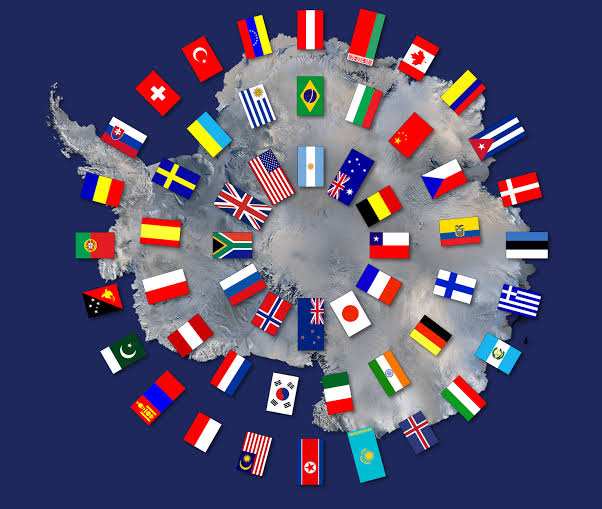
Despite these diplomatic hurdles, legal experts and officials have firmly reaffirmed that the Antarctic Treaty has no expiration date, actively dispelling widespread public speculation about its eventual demise. This foundational international instrument remains indefinitely valid as the supreme regulatory framework for all activities on the White Continent, ensuring its ongoing status as a reserve for peace and science.
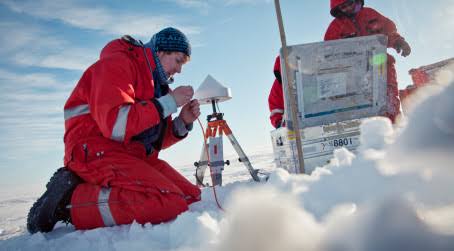
Underscoring this enduring commitment to science, key polar organizations achieved a major collaborative milestone just months later. In August 2026, the Scientific Committee on Antarctic Research (SCAR), the International Arctic Science Committee (IASC), and the Association of Polar Early Career Scientists (AFoPS) officially renewed their Memorandum of Understanding. This agreement fortifies scientific collaboration between Northern and Southern polar communities, highlighting a continuous commitment to coordinated research amidst growing global environmental challenges.
Ultimately, the delicate balance between the institutional stability of the Treaty and current political pressures defines the modern era of Antarctic governance—a reality where science continues to serve as the most resilient bridge of understanding between nations.